
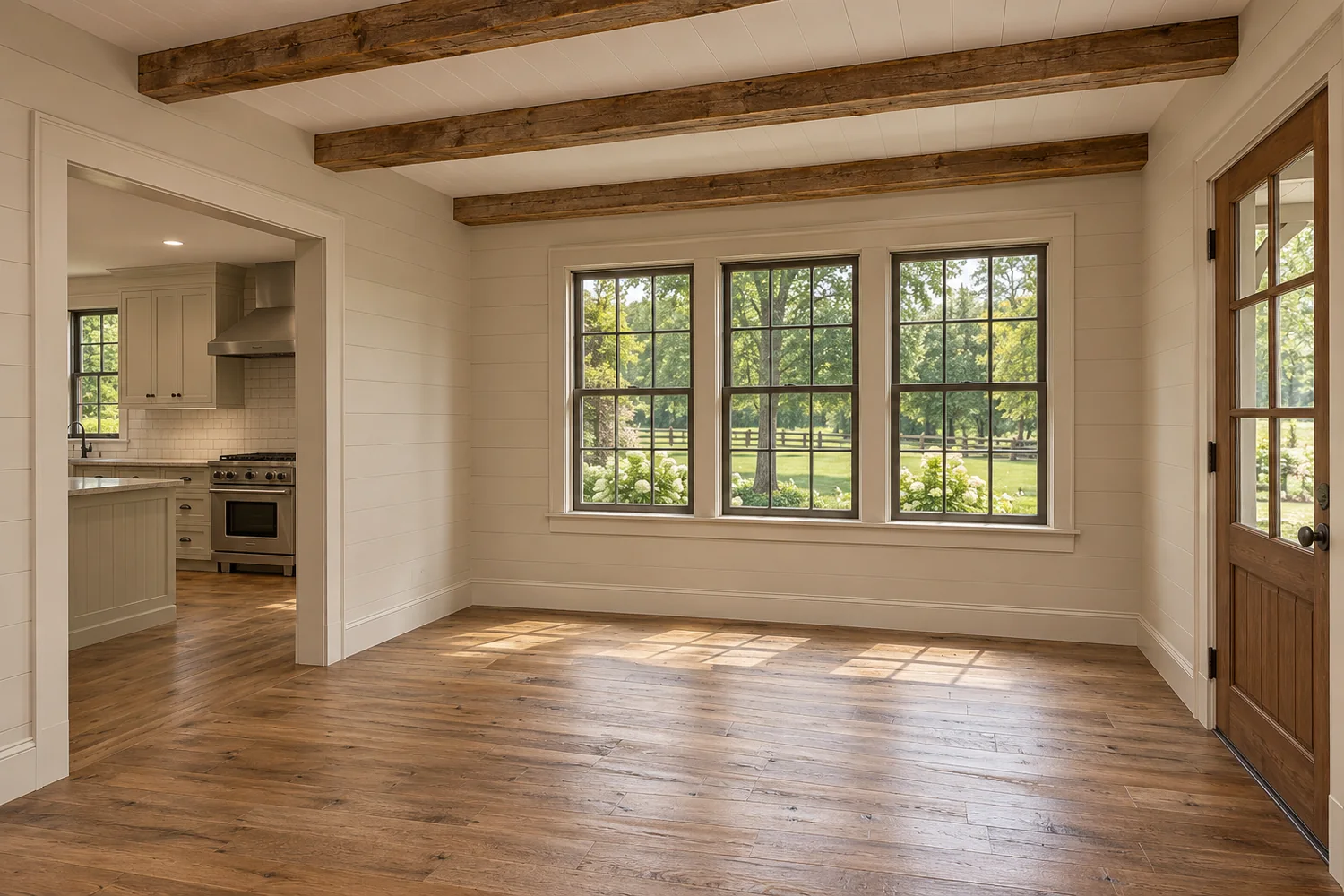
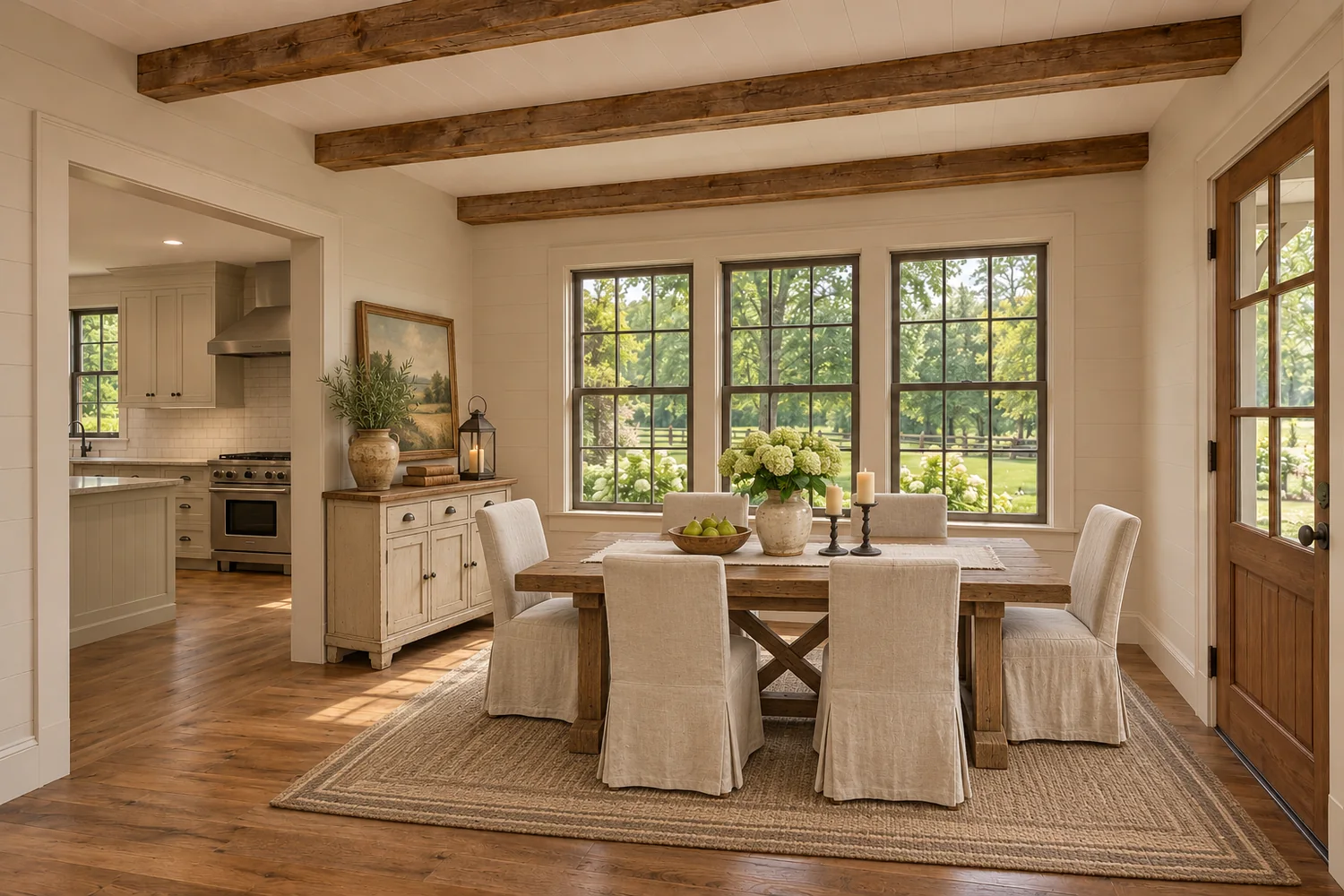
These two options solve overlapping problems, and a vendor who sells only one of them will tend to tell you it always wins. It does not. The right answer depends on the home and on how buyers will first experience it.
| Topic | Virtual staging | Traditional staging |
|---|---|---|
| What changes | The photos only | The physical home |
| At the showing | The room is still empty | The room is furnished |
| Logistics | No movers or access needed | Movers, scheduling and access |
| Typical cost | Per image; varies widely | NAR reports a $1,500 median |
| Main risk | Buyer expectations; MLS rules | Cost and rental term if the home sits |
When virtual staging fits
- The home is vacant and physical staging does not fit the budget
- The listing is already live and the photos are the weak point
- Only one or two rooms are hard to read in photos
When traditional staging fits
- Buyers at this price point expect a furnished showing
- Furniture will help people navigate a difficult layout in person
- The seller can fund staging for the likely time on market
Doing both
Some agents physically stage the key rooms and use images for the rest. This works best when you explain clearly which rooms are which, so buyers are not surprised on arrival.